







Creating a productive home office space can greatly enhance your ability to focus, stay organised, and feel motivated throughout the workday. Whether you work remotely full-time or occasionally need a dedicated spot for professional tasks, having the right environment is key to success. Here are some practical tips to help you design a home office that supports productivity and comfort.
Choose the Right Location
Finding the ideal spot for your home office is the first step. If possible, select a quiet area away from high traffic zones within the home. Having a dedicated space means fewer distractions and helps you mentally separate work from leisure.
– Natural light: Try to position your desk near a window to benefit from natural light, which can boost mood and reduce eye strain.
– Privacy: If privacy is important, consider a spare room or a corner with a screen or room divider.
– Ventilation: Good airflow is essential for comfort, so avoid stuffy spaces.
Invest in Comfortable and Functional Furniture
Your furniture choices can dramatically influence how productive and comfortable you feel while working.
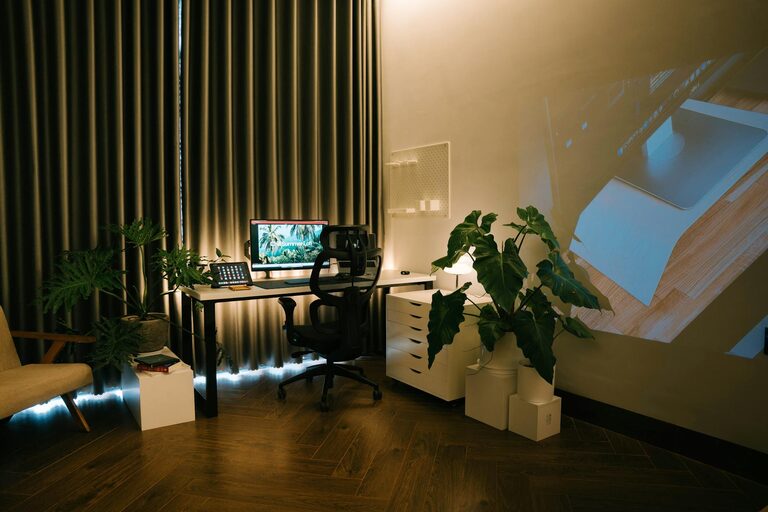
– Ergonomic chair: A supportive chair reduces back pain and encourages good posture during long hours.
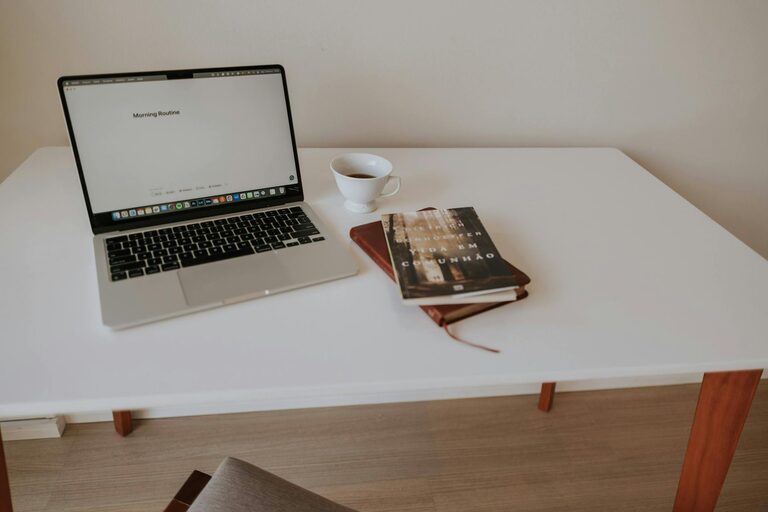
– Desk size: Choose a desk with enough surface area to fit your computer, notes, and any equipment you regularly use.
– Storage: Incorporate shelves, drawers, or filing cabinets to keep your workspace neat and free from clutter.
Organise Your Workspace
A well-organised home office reduces stress and saves time looking for important items.
– Declutter: Regularly clear unnecessary papers and objects.
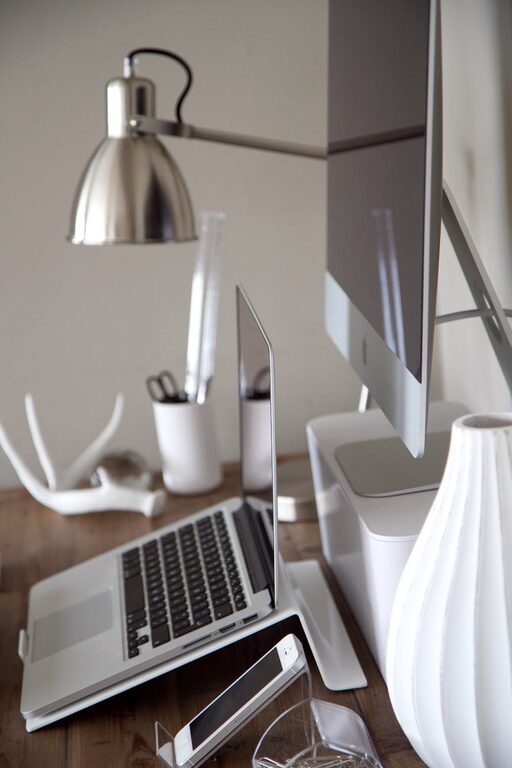
– Use organisers: Desk trays, pen holders, and cable management products help maintain order.
– Digital organisation: Keep your computer files tidy with clear folder structures and regular backups.
Optimise Lighting
Appropriate lighting is vital for reducing eye strain and maintaining alertness.
– Mix of lights: Combine natural daylight, overhead lighting, and a focused desk lamp.
– Adjustable lamps: Choose lamps with adjustable brightness and position to match different tasks.
– Screen position: Place your screen to avoid glare while ensuring your face is well lit.
Minimise Distractions
Creating boundaries and limiting interruptions will improve your concentration.
– Noise management: Use noise-cancelling headphones or play ambient sounds if your environment is noisy.
– Set boundaries: Inform family members or housemates of your work hours to reduce disturbances.
– Limit technology distractions: Turn off unnecessary notifications on devices and use focus apps if helpful.
Incorporate Personal Touches
Adding elements that make your workspace welcoming can boost your mood and motivation.
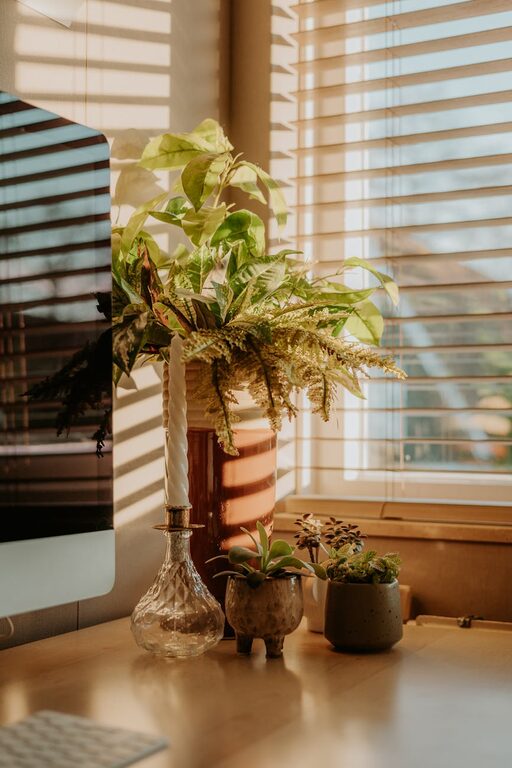
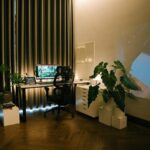
– Plants: Indoor plants not only improve air quality but also add a refreshing aesthetic.
– Artwork: Choose inspiring artwork or photos that make you feel positive.
– Comfort items: A cushion, blanket, or a favourite mug can make your space more inviting.
Establish a Routine
A consistent routine helps reinforce work habits and productivity.
– Set working hours: Define clear start and finish times to separate work from personal time.
– Breaks: Schedule regular breaks to stand, stretch, and refresh your mind.
– Morning preparation: Begin your day as if you were commuting to work to help mentally transition into work mode.
Use Technology Wisely
The right technology tools can streamline your workflow.
– Reliable internet: Ensure your connection is stable and fast.
– Essential peripherals: Depending on your work, a quality keyboard, mouse, or additional monitors can increase efficiency.
– Backup power: Consider a UPS or power bank to protect your work during power outages.
Keep Physical and Mental Wellbeing in Mind
Productivity isn’t just about work; caring for your wellbeing is equally important.
– Exercise: Incorporate movement into your day, whether through stretching or short walks.
– Healthy snacks: Keep nourishing foods and water nearby.
– Space for relaxation: If possible, set up a separate comfy corner where you can take a mental break.
—
Creating a productive home office space involves a combination of thoughtful design, practical organisation, and healthy habits. By setting up a workspace tailored to your needs, you can make working from home more enjoyable and efficient. Remember, small improvements can make a big difference over time—so start with one or two changes and build from there.